

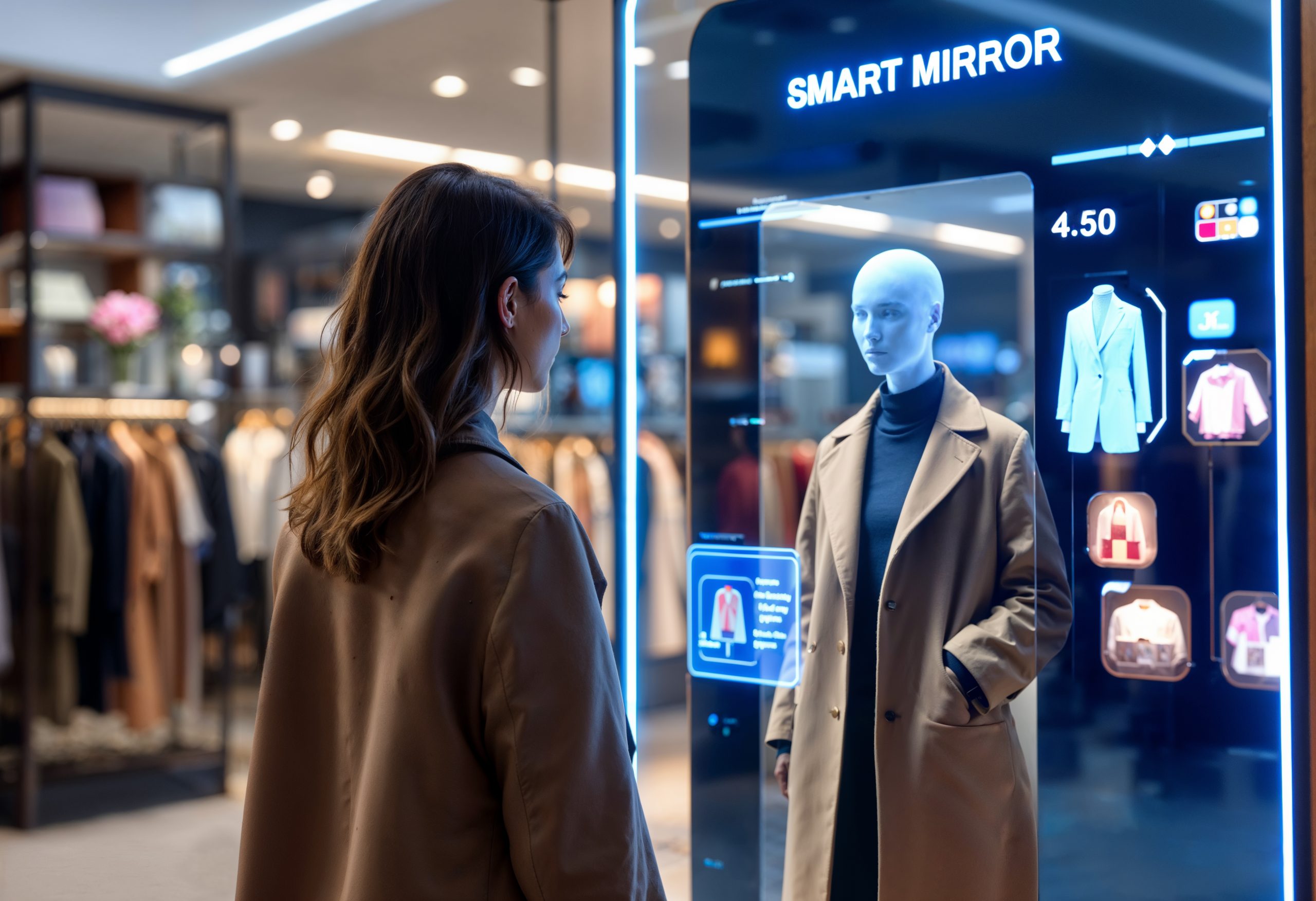
Let’s break down the most practical generative AI ecommerce use cases that are already delivering measurable results.
The eCommerce landscape is undergoing a major transformation, with generative AI ecommerce search driving this change. This is because customer expectations are constantly evolving, and traditional search systems based on static keywords are no longer sufficient. Today’s customers expect fast, personalized, and conversational search experiences that help them find products effortlessly.
In 2026, the world of generative AI is revolutionizing the way customers are interacting with eCommerce websites.Instead of browsing through endless product listings, customers now interact with intelligent systems that understand their intent, context, and preferences. This is not only transforming the customers’ experience but also revolutionizing the way eCommerce search optimization is being carried out.
The Shift from Keyword to Semantic Search
Traditionally, eCommerce platforms have relied on keyword-based searches. Users had to enter specific words to get meaningful results. Even then, the results were often inaccurate or limited.
Now, with the help of generative AI, search has become more semantic and smart. Instead of using specific words, these AI models try to understand the meaning of the search. For example, if someone searches for “lightweight running shoes for daily jogging,” these AI models will give highly personalized results, even if these words are not used.
This shift from traditional search has increased accuracy and satisfaction for customers. This shift also enhances AI product discovery, helping customers find products they didn’t even know they needed.
Understanding Zero-Click Searches
One of the most significant changes introduced by generative AI is the rise of zero-click searches. In this type of search, users receive answers instantly without needing to click through multiple pages.
In eCommerce, this has resulted in:
- Instant product recommendations based on user intent
- AI-generated summaries of product features
- Quick comparisons of similar products
Zero-click searches are reshaping user behavior. Customers now expect immediate answers, which makes it essential for businesses to structure their product data in a way that AI systems can easily interpret and present.
How AI Answer Engines Impact Product Discovery
The rise of AI answer engines in ecommerce is transforming the way customers find products online. Unlike traditional search engines that show a list of links, AI answer engines give direct, conversational answers.
They are like shopping assistants that help customers navigate their shopping journey. These AI-powered answer engines may recommend products, explain their features, and even suggest alternatives.
For instance, a consumer may ask, “What is the best laptop for graphic design under $1500?” The AI-powered answer engine may give a curated list of products with explanations, as opposed to showing multiple product pages.
This is an improvement in AI-powered product discovery, as it is now more intuitive and personalized. The consumer feels more confident about the products, which translates into higher conversions. As businesses adopt conversational commerce, comparing leading AI tools like ChatGPT vs. Claude.ai vs. DeepSeek – AI Chatbot Comparison & Best Use Cases helps identify the right solution for delivering personalized and intelligent shopping experiences.
Adapting Product Schema for AI
In order to remain competitive in this new landscape, eCommerce businesses need to optimize their product information to be easily consumed by AI systems. This is more than just adding keywords to text.
Important steps include:
- Writing comprehensive product descriptions that highlight benefits and use cases
- Including structured data such as specifications, reviews, and FAQs
- Using natural language that aligns with how customers ask questions
By adapting their product schema for use with AI, businesses can improve their visibility in the responses provided by AI. This is important in today’s world where visibility is no longer based on search engine rankings, but also includes recommendations provided by AI.
Steps to Implement Generative AI in Your Store
To effectively implement generative AI ecommerce search in your store, you must follow these steps. Keep in mind that businesses that start early will enjoy a big advantage over their competitors.
-
Upgrade Your Current Search
Replace traditional search engines with semantic search engines that can effectively interpret user queries.
-
Improve Your Product Data
Make sure that your product database contains comprehensive product information that an AI search engine can easily parse.
-
Integrate AI Answer Systems
Use AI search tools that allow users to get instant answers and comparisons of products.
-
Focus on Personalization
Use customer information such as their browsing and purchase history to improve their search experience.
Tools for Conversational Commerce
Conversational commerce 2026 is revolutionizing online shopping. The trend is making online shopping more interactive and fun. In today’s online world, customers prefer to “talk” to an AI search engine rather than type their search queries.
Some of the tools used for conversational commerce include:
- AI chatbots for product selection
- Integration of voice search
- Virtual shopping assistants embedded within websites
These tools enable customers to have an effortless experience. Customers can ask questions and get instant answers. This improves AI product discovery as customers get all the information they need.

Conclusion
The future of eCommerce search lies in understanding user intent rather than just matching keywords. Generative AI ecommerce search is revolutionizing the way consumers engage with online retailers, making the entire process quicker, smarter, and more personalized.
From semantic search, zero-click experiences, AI answer engines, and conversational interfaces, everything is evolving in the field of search in eCommerce. Businesses that are willing to evolve with these changes not only ensure the satisfaction of their customers, but they are also likely to see an increase in their conversions.
As we move further into 2026, it is clear that generative AI is not just the future of eCommerce; it is already the present and here to stay.